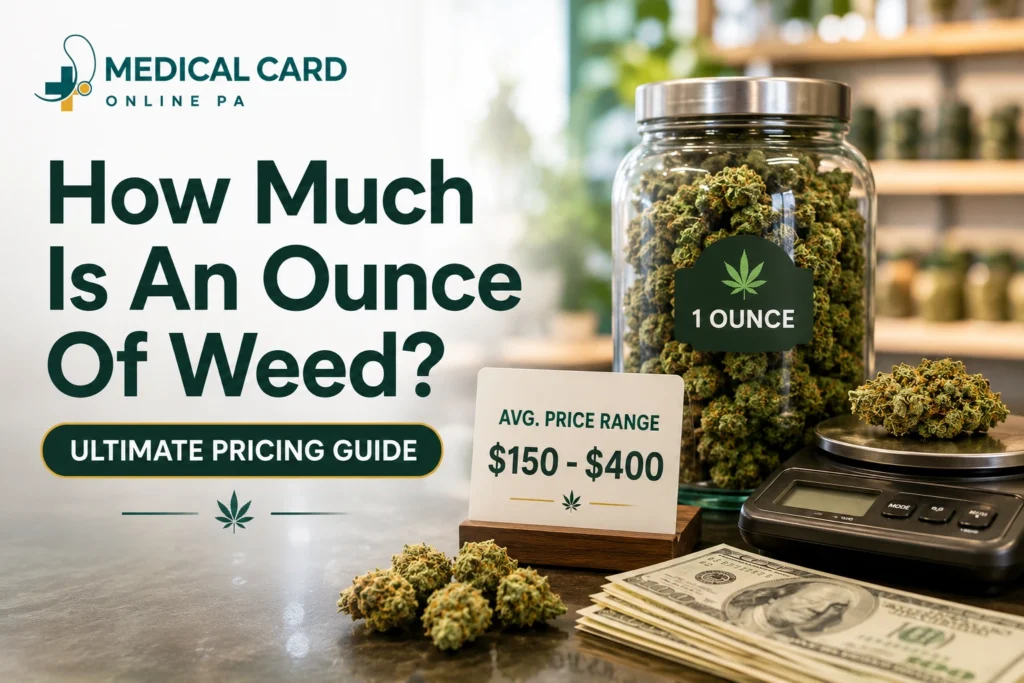
Introduction to Weed Pricing
If you’re wondering how much is an ounce of weed, you’re not alone. This question pops up everywhere—from curious beginners to seasoned cannabis users looking to get the best bang for their buck. Weed prices aren’t fixed like grocery items; they shift based on quality, location, and even the time of year.
In 2026, the cannabis market has matured significantly. Legalization in many regions has brought more transparency, yet pricing still varies widely. So, what’s the real deal?
Let’s break it down in a clear, no-nonsense way so you know exactly what to expect—and what’s fair.
What Is an Ounce of Weed?
Understanding Cannabis Measurements
Before diving deeper into how much is an ounce of weed, it’s essential to understand what an ounce actually is.
An ounce equals 28 grams of cannabis. It’s one of the most common bulk quantities people buy, especially those who consume regularly or want to save money.
Here’s a quick breakdown:
- 1 gram = smallest purchase unit
- 3.5 grams = eighth
- 7 grams = quarter
- 14 grams = half ounce
- 28 grams = full ounce
Why an Ounce Matters
Buying an ounce often comes with a price advantage. Sellers usually offer discounts per gram when you buy in bulk. So instead of paying premium prices for small amounts, an ounce can reduce your overall cost significantly.
In simple terms, it’s like buying wholesale instead of retail.
How Much Is an Ounce of Weed in 2026?
Average Price Range
So, how much is an ounce of weed today?
In 2026, the average price typically falls between:
- $100 to $300 per ounce (USD equivalent)
However, this range depends on multiple variables. Some premium strains can even exceed $350, while lower-quality weed might cost under $100.
Price Variations by Quality
Not all weed is created equal. Here’s a general pricing guide:
| Quality Level | Price Range per Ounce |
|---|---|
| Low-quality | $80 – $120 |
| Mid-grade | $120 – $200 |
| High-quality (Top shelf) | $200 – $350+ |
Clearly, quality plays a massive role in determining how much you’ll pay.
Factors That Affect Weed Prices
Quality and Strain
The biggest factor influencing how much is an ounce of weed is quality. Premium strains are cultivated with precision, offering better potency, aroma, and effects.
High-end cannabis often features:
- Dense buds
- Rich trichomes
- Strong terpene profiles
Naturally, these characteristics drive up the price.
Location and Legality
Where you live matters—a lot.
- Legal regions usually have competitive pricing
- Illegal markets often charge more due to risk
- Remote areas may have higher transportation costs
For example, cannabis is generally cheaper in regions with established legal markets.
Supply and Demand
Like any commodity, weed follows market rules. If supply is high, prices drop. If demand spikes—say during holidays—prices can climb quickly.
Taxes and Regulations
In legalized regions, taxes can significantly impact the final price. Some areas impose heavy excise taxes, making legal weed more expensive than expected.
Price Comparison by Region
United States
In the U.S., prices vary widely:
- States like Oregon or Colorado: $100–$180
- Premium markets like California: $150–$300
Legalization has stabilized prices, but taxes still play a role.
Canada
Canada offers relatively consistent pricing:
- Average: $120–$220 per ounce
Government-regulated stores keep things transparent.
Europe
Europe is a mixed bag:
- Illegal markets dominate
- Prices range: $200–$400
Limited legalization keeps prices high.
Asia
In many Asian countries:
- Cannabis remains illegal
- Prices can exceed $300–$500 per ounce
Risk drives the cost up dramatically.
Cost Breakdown by Quality Tier
Low-Quality Weed
Often referred to as “shake” or “brick weed,” this type is:
- Less potent
- Rough in texture
- Cheaper
Price: $80–$120 per ounce
Mid-Grade Weed
This is the sweet spot for many users:
- Decent potency
- Balanced cost
- Widely available
Price: $120–$200 per ounce
Premium Weed
Top-shelf cannabis is where things get fancy:
- High THC levels
- Strong aroma
- Smooth smoking experience
Price: $200–$350+
How to Identify Quality Weed
Appearance
Good weed should look vibrant:
- Bright green or purple hues
- Covered in crystals (trichomes)
Avoid dull or overly dry buds.
Smell
A strong, pleasant aroma is a good sign. High-quality weed often smells:
- Fruity
- Earthy
- Skunky
Texture
It should feel:
- Slightly sticky
- Not too dry or crumbly
These signs indicate freshness and proper curing.
Buying Weed in Bulk: Is It Worth It?
Pros of Buying an Ounce
Buying an ounce can be a smart move:
- Lower cost per gram
- Fewer trips to purchase
- Better value overall
Cons to Consider
However, there are downsides:
- Higher upfront cost
- Risk of losing freshness
- Legal possession limits in some areas
So, weigh your options carefully.
Legal Considerations When Buying Weed
Before purchasing, always check local laws.
Key points include:
- Possession limits
- Legal age requirements
- Approved purchase locations
Ignoring these can lead to serious consequences—even in partially legal regions.
For more information on global cannabis laws, you can visit:
👉 https://en.wikipedia.org/wiki/Legality_of_cannabis
Tips to Save Money on Weed
Want to stretch your budget? Here are some practical tips:
- Buy in bulk (like an ounce)
- Look for discounts or deals
- Try mid-grade instead of premium
- Compare multiple sellers
- Avoid impulse purchases
Small strategies can lead to big savings over time.
FAQs About Weed Pricing
1. How much is an ounce of weed on average?
Typically between $100 and $300, depending on quality and location.
2. Why is weed cheaper in some places?
Legalization, competition, and local supply all influence pricing.
3. Is buying an ounce cheaper than smaller amounts?
Yes, bulk purchases usually lower the price per gram.
4. How long does an ounce of weed last?
It depends on usage, but for moderate users, it can last several weeks.
5. Can weed prices fluctuate?
Absolutely. Prices change based on demand, season, and availability.
6. Is expensive weed always better?
Not necessarily. Mid-grade options often provide great value without the high cost.
Conclusion
So, how much is an ounce of weed in 2026? The answer isn’t fixed—but now you’ve got a clear picture.
From $100 budget options to $350 premium strains, pricing depends on quality, location, and market dynamics. Understanding these factors helps you make smarter choices and avoid overpaying.
Whether you’re buying for personal use or just exploring the topic, knowing the value of an ounce puts you ahead of the game. Stay informed, compare wisely, and always prioritize quality within your budget.
